Building a Legacy of Trust in a World of Shifting Commitments
In a world where commitment is often seen as conditional, the idea of honoring marital vows with complete fidelity can feel like an old-fashioned sentiment rather than an eternal truth. The societal norms of today often promote self-fulfillment over sacrifice, momentary happiness over long-term devotion, and convenience over covenant. But for those who believe in the sanctity of marriage, fidelity isn’t just about physical faithfulness—it’s about loyalty in thought, word, and deed.
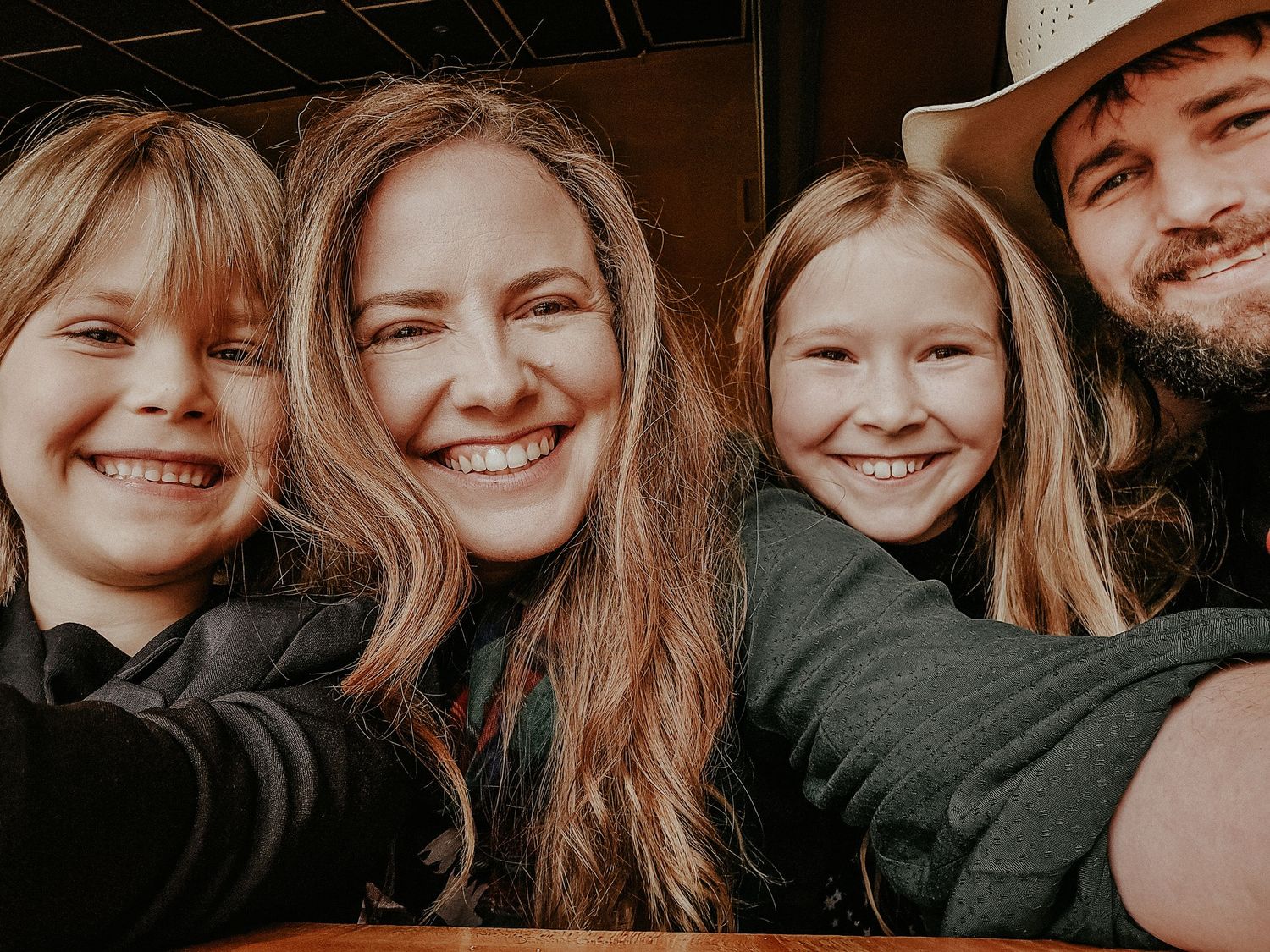
As step-parents navigating complex family dynamics, the commitment to fidelity extends beyond just our spouse. It includes the way we uphold our covenants in the presence of children who may have witnessed the consequences of broken vows. How we model fidelity will shape their understanding of marriage—what it is, what it should be, and what it must never become.
The World vs. Covenant Commitment
Modern culture encourages an attitude of "if it no longer serves you, leave." We see it in the entertainment we consume, the messages in social media, and even in the advice from well-meaning friends. Marriage is often portrayed as a contract—something that can be dissolved when it becomes inconvenient. But as disciples of Christ, we understand that marriage is not merely a contract; it is a covenant.
Elder Jeffrey R. Holland taught:
“Complete fidelity to our spouse, complete devotion to our Lord, complete loyalty to the principles of our faith—these will not always be easy, but they will always be right.” (“Place No More for the Enemy of My Soul,”* General Conference, April 2010)
In contrast to the world’s shifting standards, our covenants are eternal. They are not contingent on feelings that waver or circumstances that change. The moment we said, "for better or worse," we committed to something far greater than a temporary arrangement—we committed to Christ and His pattern for marriage.
Fidelity in Thought, Word, and Action
Honoring marital vows with complete fidelity goes beyond physical loyalty. Christ made it clear:
“But I say unto you, That whosoever looketh on a woman to lust after her hath committed adultery with her already in his heart.” (Matthew 5:28)
This means fidelity is a matter of the heart as much as it is of the body. It includes:
Guarding our thoughts – Ensuring our affections remain solely with our spouse and that we do not entertain distractions that diminish our commitment.
Speaking with loyalty – Avoiding negative talk about our spouse, especially in the presence of children, and upholding their dignity in all circumstances.
Prioritizing our marriage – Setting boundaries with work, hobbies, and even extended family to ensure that our spouse remains our highest earthly priority.
As step-parents, this is especially critical. Children watch how we treat our spouse, and they internalize what marriage looks like through our actions. If they see us fully devoted, they will learn what it means to honor their own future commitments.
A Sacred Trust in Blended Families
In a stepfamily, past wounds can complicate the idea of fidelity. Some children have witnessed divorce, betrayal, or abandonment. They may struggle with trust, and they may even test the integrity of the new family structure. Our role as step-parents is to model unwavering commitment—not just to our spouse, but to the sacred trust we have been given.
The Lord has commanded:
“Thou shalt love thy wife with all thy heart, and shalt cleave unto her and none else.” (Doctrine and Covenants 42:22)
That means no competing priorities. No misplaced loyalties. No hesitation in where we stand. We cleave to our spouse fully, and in doing so, we provide a foundation of security and love that will bless not only our marriage but our entire family.
Fidelity is more than physical exclusivity; it is a complete devotion to our spouse in mind, heart, and spirit. It means choosing them every single day, even when it's hard, even when outside influences try to pull us in different directions. In a world that dismisses the sanctity of marriage, we choose to uphold it—not just for ourselves, but for our children, our faith, and our eternal salvation.
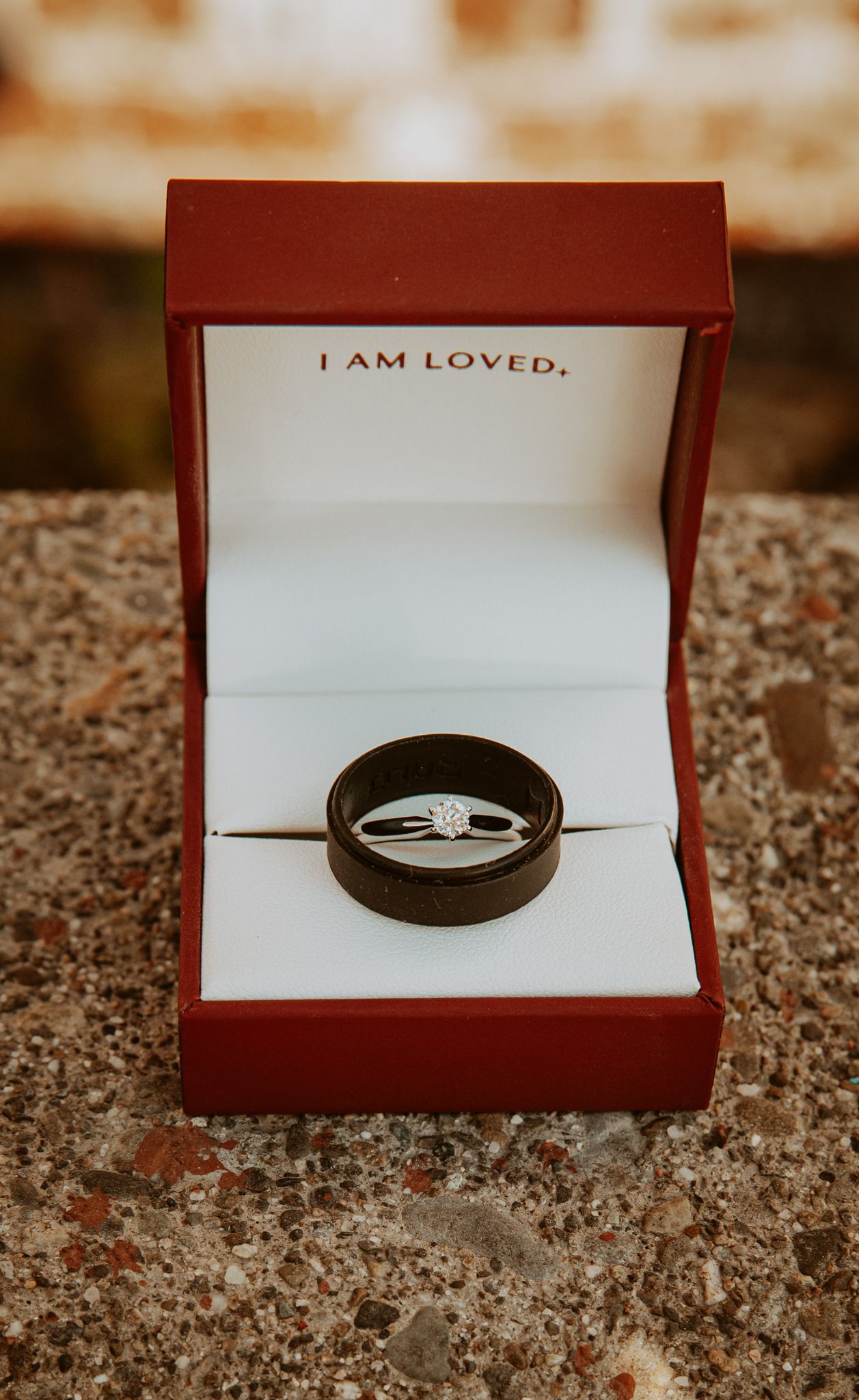
Complete fidelity is not a burden; it is a privilege. It is the sacred trust of two souls bound by covenant, fortified by Christ, and strengthened by unwavering devotion. And when we honor that trust, we not only preserve our marriage—we create a legacy of faithfulness that our children will carry into their own lives.