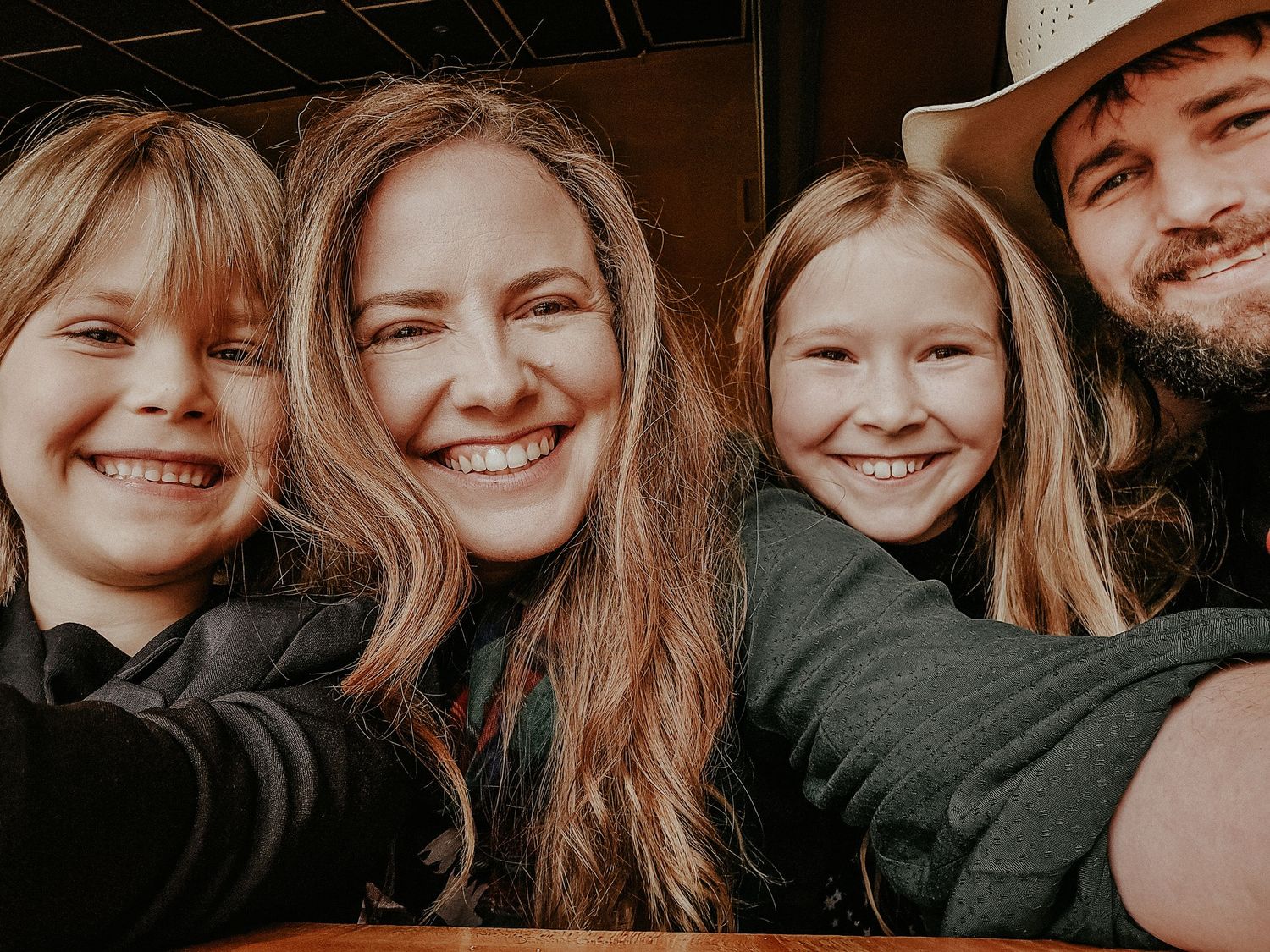
Because yes… even Jesus had a stepdad
Let’s be honest—step-parenting can feel like being tossed into the deep end of the pool with no instructions and a whistle blowing in your face. It's hard. Beautiful? Absolutely. But hard. The Family: A Proclamation to the World teaches that “parents have a sacred duty to rear their children in love and righteousness.” That duty isn’t limited to biological parents. Love, leadership, and spiritual stewardship are not restricted by blood—they're governed by covenant, choice, and compassion.
When you’re a step-parent, you’re walking a tightrope of boundaries, trust-building, and emotional navigation. So let’s break it down: What does “love, limits, and latitude” actually look like in a gospel-centered blended family?
Truth #1: Love Is a Long Game
In a world where step-parents are often misunderstood or sidelined, it's easy to feel like love has to be earned instantly. But that’s not how real connection works.
1 John 4:7 teaches, “Beloved, let us love one another: for love is of God.” Love takes time. Sometimes, especially in blended families, love grows quietly in the background—through consistency, showing up, forgiving awkward moments, and being steady in storms.
The Family Proclamation doesn’t define parenthood by biology. It calls us to love all children in our care “as sons and daughters of God,” and to do so with patience, prayer, and perseverance.
Even Joseph, Jesus’ stepfather, wasn't the "real dad"—but God trusted him to raise the Savior of the world. That alone speaks volumes about the divine role of step-parents.
Truth #2: Limits Are Loving, Not Controlling
Boundaries matter—and not just for the kids. Stepparents often wrestle with where their authority starts and ends. Proverbs 22:6 reminds us to “train up a child in the way he should go,” and that includes healthy discipline and structure. But guess what? You're not doing it alone.
In D&C 121:41–42, we’re reminded that righteous influence comes “by persuasion, by long-suffering, by gentleness... by love unfeigned.” That’s the guidebook. Limits in blended families can’t be heavy-handed. They need to be Spirit-led, rooted in connection, and always delivered with grace.
Truth #3: Latitude Means Room to Grow (for Everyone)
No two stepfamily journeys look the same. Some bonds form quickly. Others take years. That’s where latitude comes in—giving yourself and everyone else room to not have it all figured out.
Elder D. Todd Christofferson said:
“To love another person is to see the face of God... we will misunderstand, we will disappoint. It is in these moments that we must choose to see each other through the eyes of the Savior.”
(“The Power of Covenants,” General Conference, April 2009)
Latitude means grace. It means not taking every rejection personally. It means learning to love without demanding reciprocation, especially early on. It also means letting God work with you as you figure out your role and where your heart needs healing too.
The Family Proclamation Calls It Holy Work
Stepparents, you’ve been placed in this position for a reason. Your job isn’t just to survive it—it’s to show up in it. To be Christlike in a role that requires more self-restraint, more empathy, and more patience than you probably thought you had.
When the Family Proclamation calls on parents to “rear their children in love and righteousness,” it includes the quiet heroes who stepped in, not just stepped up. You’re helping build eternal families—one awkward dinner, tough conversation, and answered prayer at a time.
You’re Not the Backup Plan—You’re the Plan
If you're stepparenting and wondering if what you're doing really matters—it does. God doesn’t make mistakes. And He certainly didn’t when He brought you into this family. Whether you're seen, thanked, or even liked in the moment, you are doing holy work.
So lead with love, set wise limits, and give yourself latitude to learn and grow. And never forget: even the Savior of the world had a stepdad.