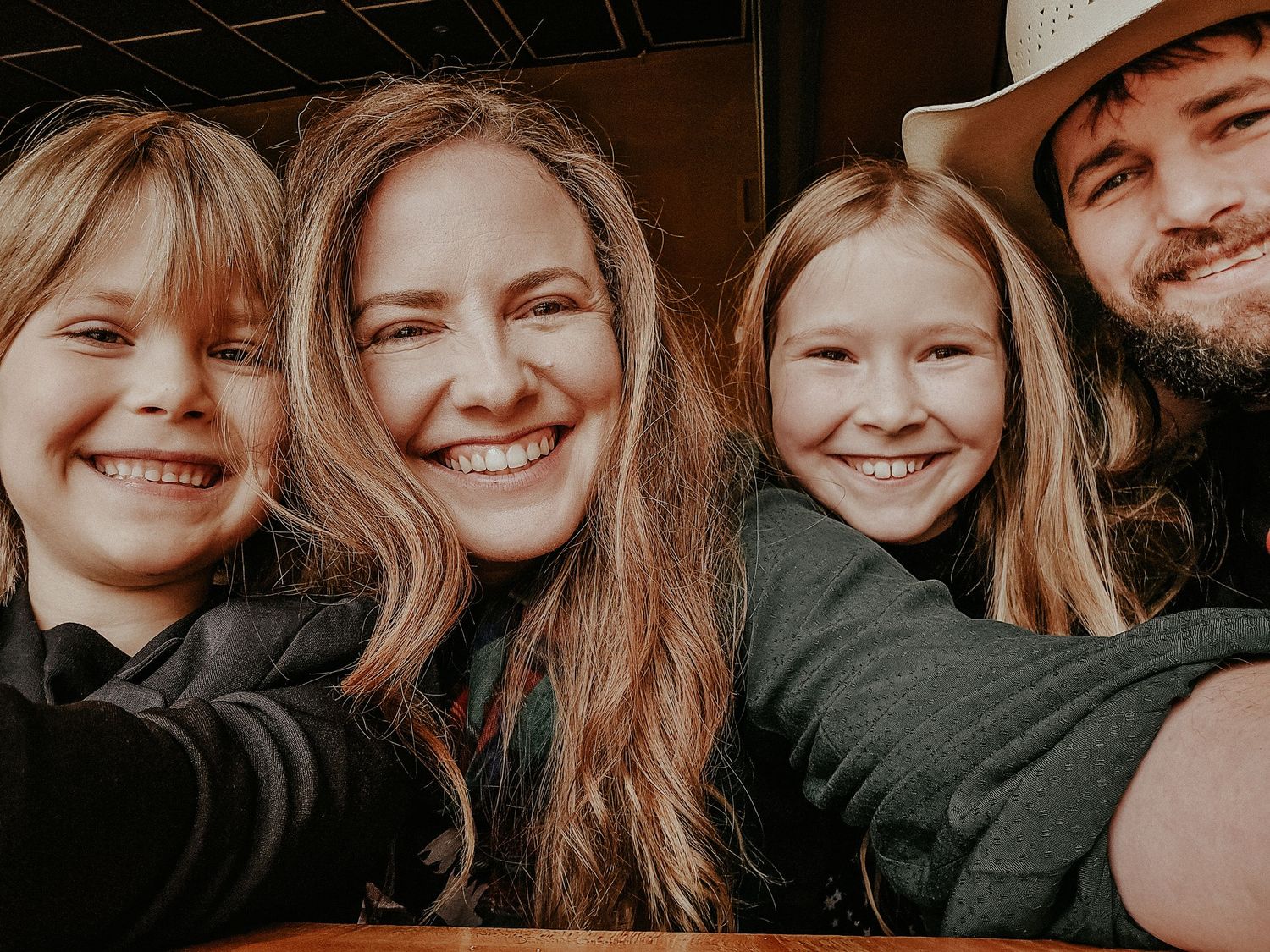
Let’s talk about how we can mend our families when struggles arise
Family life is messy. It’s beautiful, yes, but it’s also full of sharp edges, misunderstandings, and deep emotions that don’t always get resolved with a hug and a prayer. And in blended families? Whew. The layers of pain, loyalty, and unmet expectations can run even deeper.
But here’s the good news: the gospel of Jesus Christ is literally built for healing. The Family: A Proclamation to the World reminds us that “successful marriages and families are established and maintained on principles of faith, prayer, repentance, forgiveness, respect, love, compassion, work, and wholesome recreational activities.”
Notice how central repentance and forgiveness are in that list. Not perfection. Not flawless communication. Just a willingness to try again—with God’s help.
Truth #1: Repentance Isn’t Just for “Big Sins”
Sometimes we think of repentance as something reserved for catastrophic choices. But in family life, repentance shows up in the small stuff: raised voices, cold shoulders, unfair assumptions, and moments when our pride outruns our patience.
In blended families, stepparents can be the calm in the storm. They often come into the picture with fresh perspective and can model repentance by apologizing first—even when it’s uncomfortable.
Alma 36:18–19 reminds us that the moment we remember Christ and turn to Him, the healing begins. Stepparents who practice that turn—daily, humbly—can shift the emotional climate of the entire household.
Truth #2: Forgiveness Doesn’t Mean Forgetting the Pain
Forgiveness is hard. Let’s not sugarcoat that. Especially when there’s a backstory of betrayal, divorce, abandonment, or just years of emotional distance. But forgiveness is essential if we want peace to return to our homes.
In Matthew 18:21–22, Peter asks Jesus how many times he should forgive—seven times? And Christ says, “Seventy times seven.” That’s not a math equation—it’s a mindset. Forgiveness is an ongoing process.
Stepparents often absorb hurt from all sides—kids, exes, extended family. But by choosing to forgive without keeping score, they offer something Christlike: the grace to move forward even when the past still stings.
Truth #3: Stepparents Can Be Bridge Builders
Elder Jeffrey R. Holland once said:
“There is something in us… that particularly cries out for family love to be loyal and true and unchanging. And when it is not… we suffer deeply.” (“The Ministry of Reconciliation,” General Conference, Oct 2018)
Stepfamilies can carry the weight of previous brokenness. But stepparents, by choice and covenant, have the power to help rebuild trust and mend what was torn. That doesn’t mean forcing healing or bypassing emotions—it means standing in the gap. It means helping kids see that redemption is possible and that God doesn’t discard broken things—He restores them.
The Family Proclamation Calls Us to Grace
The Proclamation teaches that “parents are to teach their children to love and serve one another, observe the commandments of God, and be law-abiding citizens.” That teaching starts with example—and stepparents are often in the trenches, modeling Christ’s ability to forgive, repent, and keep showing up.
You may not have created the wound, but you can be part of the healing. That is sacred work.
Healing Happens in the Reaching
If your blended family is struggling, you are not alone. There is hope. The Lord never asks us to be perfect parents—but He does ask us to be humble ones. Step-parenting is uniquely positioned to show what chosen love looks like. When we choose to repent, to forgive, to try again—we become instruments in Christ’s hands.
Struggles will come. But healing begins when someone is brave enough to reach across the tension and say, “I was wrong. I’m sorry. Let’s try again.”
And who better to lead with that kind of courage than the stepparents who have already chosen love once before?